Eye diseases and refractive errors manifest themselves differently from patient to patient and have different causes. However, they all have one thing in common: they can significantly influence the everyday lives of those affected.
Early diagnosis by your ophthalmologist is therefore particularly important in order to subsequently weigh up the treatment options available. At this point, we present the most common eye diseases.
30 years of experience and more than 55,000 treatments – Welcome to Bányai Augenheilkunde!
Whether you have vision problems, an eye condition, or are simply seeking preventive care, my team and I are dedicated to addressing your needs at our multiple locations in the Stuttgart and Karlsruhe areas. When you choose to receive treatment from me, you’ll benefit from comprehensive diagnostics and consultation, state-of-the-art laser procedures, and 30 years of experience.
Your ophthalmologist, Doctor-medic
Defective vision
Vision defects are not necessarily eye diseases in the proper sense, but occur either separately or in the course of a primary disease of the eye.
They all have a visual impairment, but in most cases this can be counteracted well – either with classic visual aids such as glasses or contact lenses, or with surgical procedures such as laser treatment.
Nearsightedness is a particularly common form of refractive error – affecting around 1.5 billion people worldwide. Short-sightedness or myopia is caused by an eyeball that is too long and is manifested by reduced visual acuity in the distance. Laser eye surgery for nearsightedness is the most sustainable method to correct your nearsightedness.
In the case of farsightedness, in contrast to nearsightedness, an eyeball that is too short is the most common cause that impairs near vision. Farsightedness is rarely caused by weak refractive power of the cornea or eye lens.
In the case of corneal curvature or astigmatism, as the name suggests, the cornea, which is curved compared to a healthy eye, is the reason for blurred vision.
However, this can often be remedied with vision aids or laser eye surgery.
In the case of actual night blindness – there are different causes that cause impaired vision in the dark – there is a disturbance of the visual cells that distinguish light and dark. Those affected see little to nothing at dusk or in the dark.
Therapy is possible if it is not a congenital form of night blindness, but one caused by a vitamin A deficiency.
Colour vision deficiency
There are two types of color vision defects: On the one hand, patients may not be able to see certain colors or even distinguish colors at all. On the other hand, some people perceive certain colors less clearly than others – such as red-green weakness.
There is no cure for congenital color vision deficiency. If, on the other hand, it occurs, for example, in connection with certain medications, switching to an alternative (always in consultation with your doctor) can help.
Presbyopia
Presbyopia occurs especially in older people and is more of an age-related phenomenon than a disease in the proper sense.
Nevertheless, it impairs vision. The ability of the eye lens to focus at different distances decreases in many people over the course of their lives.
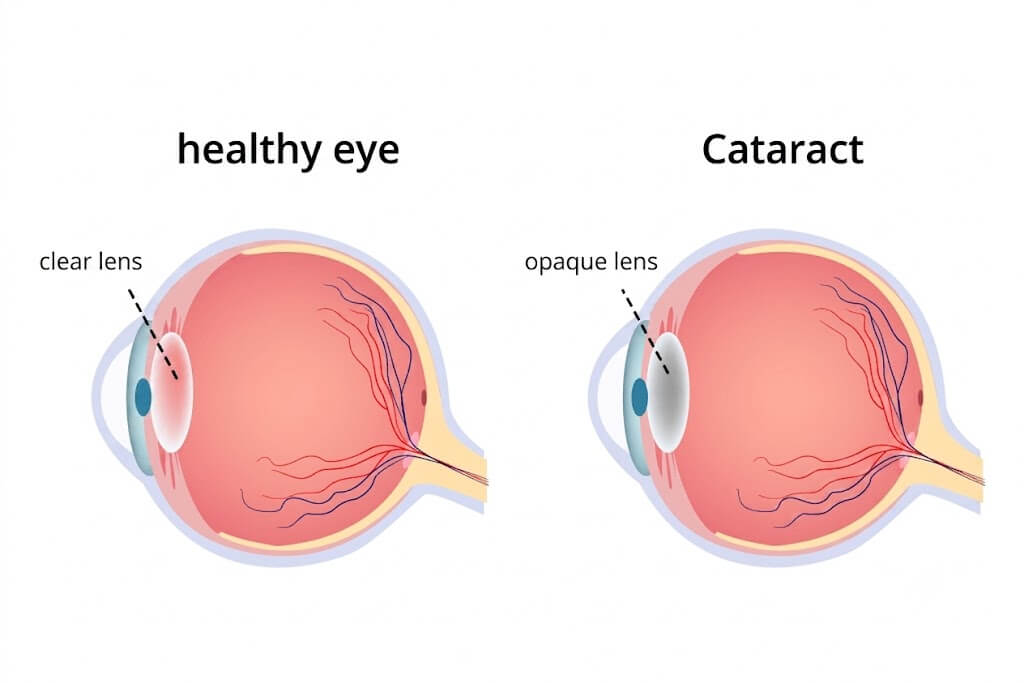
Cataracts can occur especially in old age and are one of the most common eye diseases: due to the opacity of the body’s own lens, vision is increasingly impaired.
Increased sensitivity to light can also be associated with cataracts, and great success can be achieved with surgical treatment of cataracts through the use of an artificial lens.
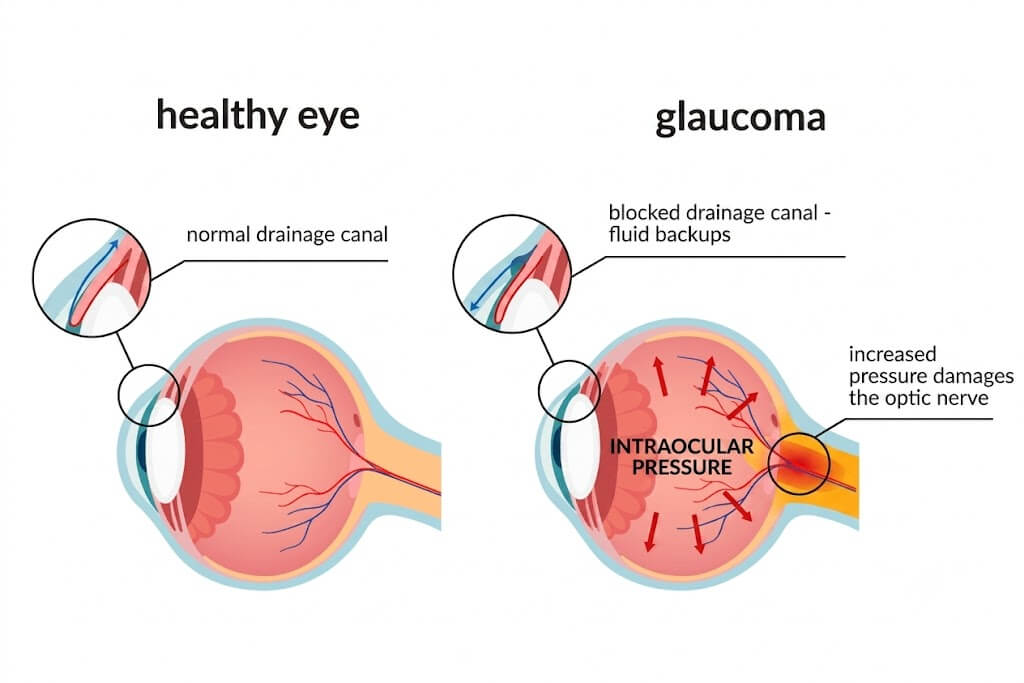
Glaucoma includes a number of different eye diseases, which can subsequently lead to damage to visual cells or the optic nerve itself and ultimately to blindness.
Glaucoma is even one of the most common causes of blindness, with increased intraocular pressure being responsible for damage to the optic nerve and vision loss in most cases. Early preventive examinations are particularly important here.
Keratoconus is when the cornea loses its original shape. It can form a conical protrusion, sometimes accompanied by tears on the cornea.
The treatment options are very individual and will be considered with your ophthalmologist after the appropriate diagnosis.
Macular degeneration (AMD)
Age-related macular degeneration (AMD) causes damage to the visual cells on the so-called yellow spot – their density is particularly high here. This can lead to visual disturbances such as distorted spatial perception or visual field failures.
Although macular degeneration cannot be cured, it can be slowed down with individual treatment methods (including medication).
Aftercataract
An aftercataract can occur if there is a renewed clouding of vision after cataract surgery. This is caused by clouding of the lens capsule behind the lens and can be surgically corrected.
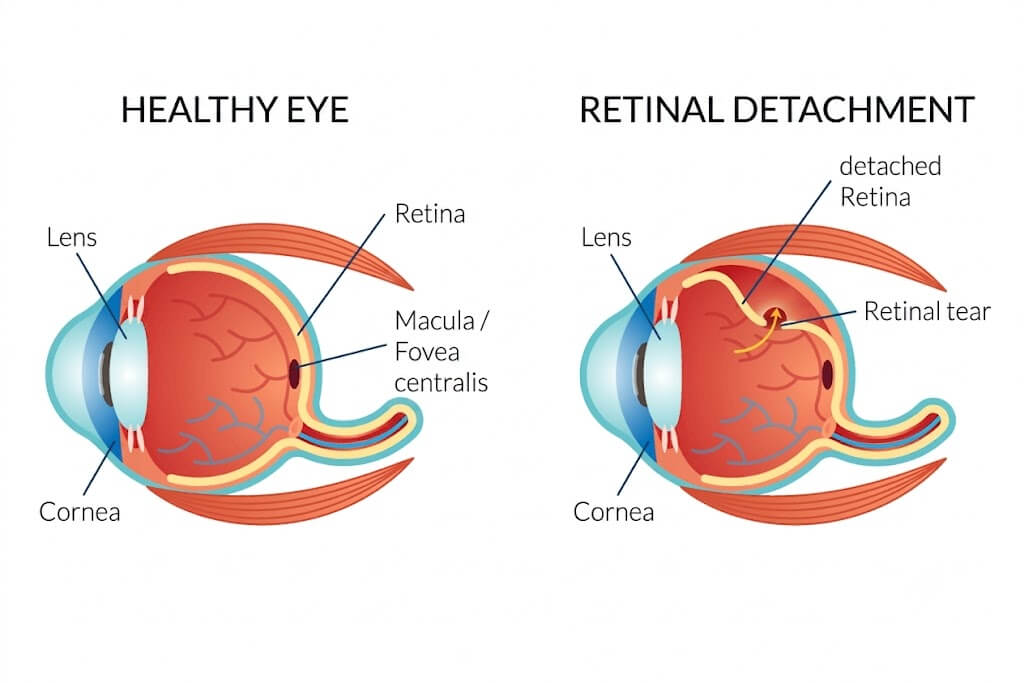
Retinal detachment is an emergency in which the help of an ophthalmologist should be sought immediately.
In this disease of the retina, it detaches from the vitreous body; typical symptoms are the perception of flashes of light, black dots, soot and/or flakes, but also visual field failures.
Barley grain and hailstones
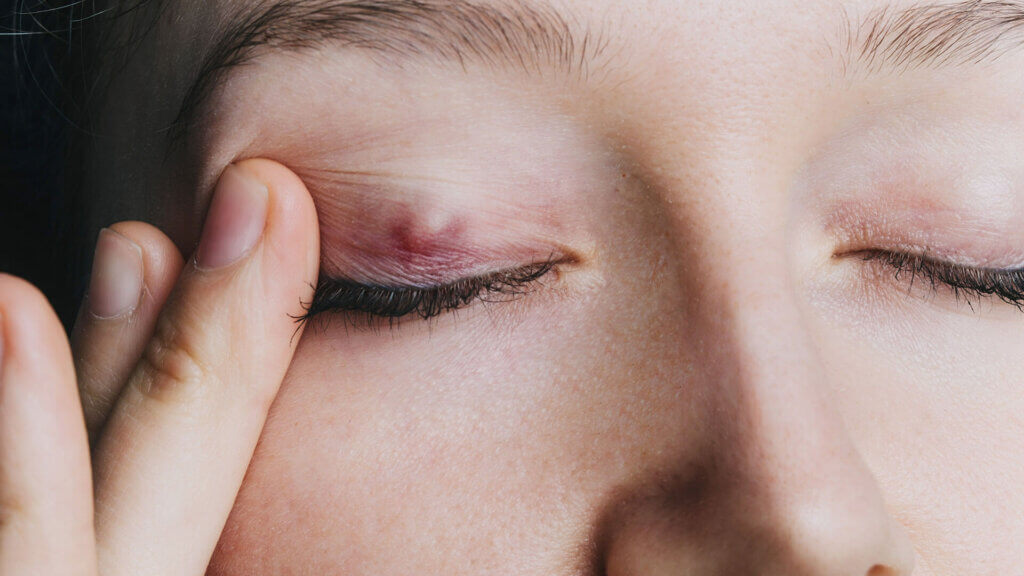
A barley grain is caused by either an infection or a clogged sebaceous gland on the eyelid and manifests itself in an unpleasant swelling and redness. As a rule, a barley grain heals on its own, but prescribed ointments and drops can support this.
Similar to the barley grain, a hailstone is also very unpleasant, but much longer. An examination by your ophthalmologist is indicated in both cases so that he can initiate appropriate treatment.
Corneal inflammation (keratitis)
Corneal inflammation can be triggered by viruses or bacteria, but also by various environmental stimuli.
The transparent outer skin of the sensory organ of the eye is affected; permanent damage can occur here, which is why an examination by your ophthalmologist may be appropriate.
Conjunctivitis
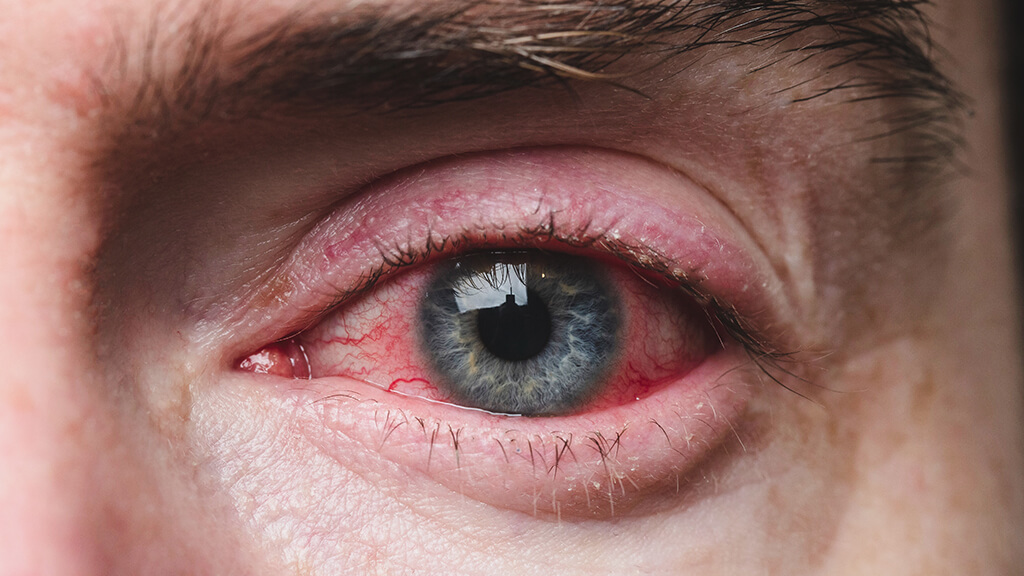
Conjunctivitis is often triggered by viruses or bacteria – the trigger can be determined by the type of discharge. But allergies or other stimuli can also cause the inflammation.
Conjunctivitis is manifested by red, often watery and itchy, swollen eyes and can be treated by your eye doctor accordingly.
Diabetic retinopathy
Diabetic retinopathy is associated with diabetes mellitus (diabetes) as an underlying disease.
Due to the symptomatic high blood pressure, small blood vessels on the retina are damaged, which is why treatment of the primary disease is particularly important.
Other eye diseases
In addition to the above-mentioned diseases of our most important sensory organ, ophthalmology knows numerous other eye diseases. Together with those already described, they can provide a valid reason to make an appointment with your ophthalmologist outside of the routine examination.
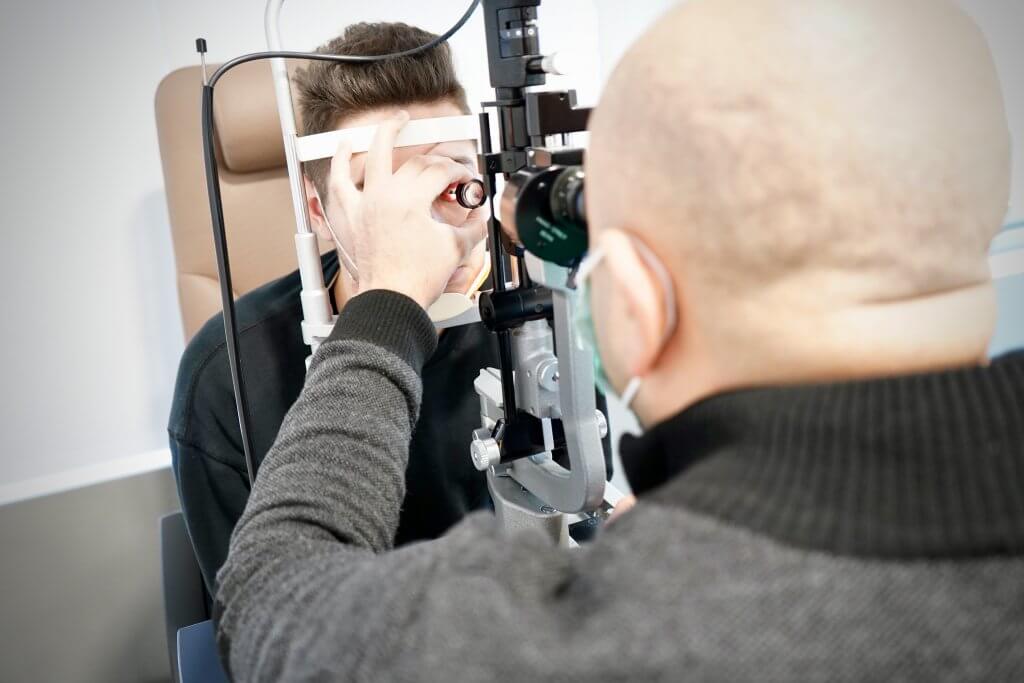
Before you apply for treatment at Doctor-medic Bányai, a consultation will be arranged. In this conversation, we will first explain all the advantages and disadvantages of the treatment. A preliminary examination will also be carried out to determine whether you are suitable for the treatment.
With our aptitude test, you can find out online at home whether you are suitable for laser eye surgery.