

Glaucoma is one of the most common causes of gradual vision loss — but is the disease curable? Many patients ask this question immediately after diagnosis.
The good news up front: Although glaucoma cannot be completely cured, modern therapy can very effectively slow or even stop its progression.
In this article, we explain why early diagnosis is crucial, what the target values for treatment mean, and what the long-term prognosis is for those affected.

Glaucoma is a chronic eye disease in which the optic nerve is gradually damaged.
In many cases, elevated intraocular pressure contributes to this damage, but other factors—such as impaired blood flow or the optic nerve’s individual sensitivity to pressure—can also play a role.
Glaucoma is usually painless, and its symptoms often appear only late, typically once the visual field has begun to be restricted. If left untreated, glaucoma can lead to blindness — it is one of the most common causes of blindness worldwide.
A major difference between glaucoma vs cataracts is that glaucoma cannot be cured in the classic sense — it cannot be completely reversed. Damage already done to the optic nerve is irreversible.
The good news: If glaucoma is detected early and treated consistently, its progression can usually be halted or significantly slowed.
The goal of every therapy, therefore, is to preserve the patient’s existing vision for as long as possible.
Glaucoma is one of the chronic, progressive diseases of the eye — this means that it progresses slowly over time and cannot be reversed.
The disease primarily affects the optic nerve, which is damaged by chronically elevated intraocular pressure or inadequate blood supply. The optic nerve is composed of more than a million delicate nerve fibers that transmit visual information from the eye to the brain.
Once these fibers are destroyed, they cannot regenerate – this results in permanent visual field deficits that do not improve.
This is precisely why glaucoma is not curable: the damage already done to the optic nerve cannot be medically repaired. Modern treatment approaches therefore do not aim for a cure, but for stabilisation.
The main goal is to stop or slow the progression of the disease – primarily by consistently lowering intraocular pressure, either medically, by laser therapy, or surgically.
The earlier glaucoma is detected, the greater the chance of permanently preserving remaining vision.
Every glaucoma therapy has a clear goal: to protect the optic nerve from further damage and to preserve vision for as long as possible. The decisive factor is the so‑called target pressure — an individually defined intraocular pressure at which the optic nerve does not sustain further damage.
Unlike many other conditions, there are no “one-size-fits-all” values for glaucoma.
The target value is an individually tailored pressure range that is determined by several parameters: the extent of prior optic nerve damage, baseline intraocular pressure, the patient’s age, and individual risk factors such as circulatory disorders, diabetes, or a family history.
| Examination / Factor | Description |
|---|---|
| OCT (Optical Coherence Tomography) | Measures the thickness and structure of the nerve fiber layer. Shows whether thinning is already present and thus provides indications of optic nerve damage. |
| Visual field test (perimetry) | Assesses functional limitations in vision. Indicates whether vision loss is already affecting everyday life, orientation, or reading. |
| Progression of intraocular pressure | Pressure measurements taken at different times can fluctuate. Only regular, structured measurements provide a realistic assessment of risk. |
| Individual sensitivity to pressure | This is especially important in normal-tension glaucoma: even “normal” pressure readings can be harmful if the optic nerve is particularly sensitive. |
| Personal risk factors | Age, the extent of prior optic nerve damage, circulatory disorders, diabetes, and family history significantly influence the determination of target values. |
| Example: Determination of target values | – Early glaucoma, young patient: target approximately 16 mmHg; advanced glaucoma, older patient: target below 12 mmHg. |
Once the individual target value has been established, the actual therapeutic work begins: the goal is to achieve this pressure level and maintain it over the long term.
Various treatment approaches are available and may be combined or adapted depending on the initial condition, the type of glaucoma, and the patient’s preferences.
In most cases, treatment begins with pressure-lowering eye drops. There are different classes of drugs — including prostaglandin analogues, beta-blockers, alpha-agonists, and carbonic anhydrase inhibitors.
These medications lower intraocular pressure by reducing aqueous humor production or by improving its outflow.
Selection is made on an individual basis, depending on effectiveness, tolerability, and each patient’s life circumstances.
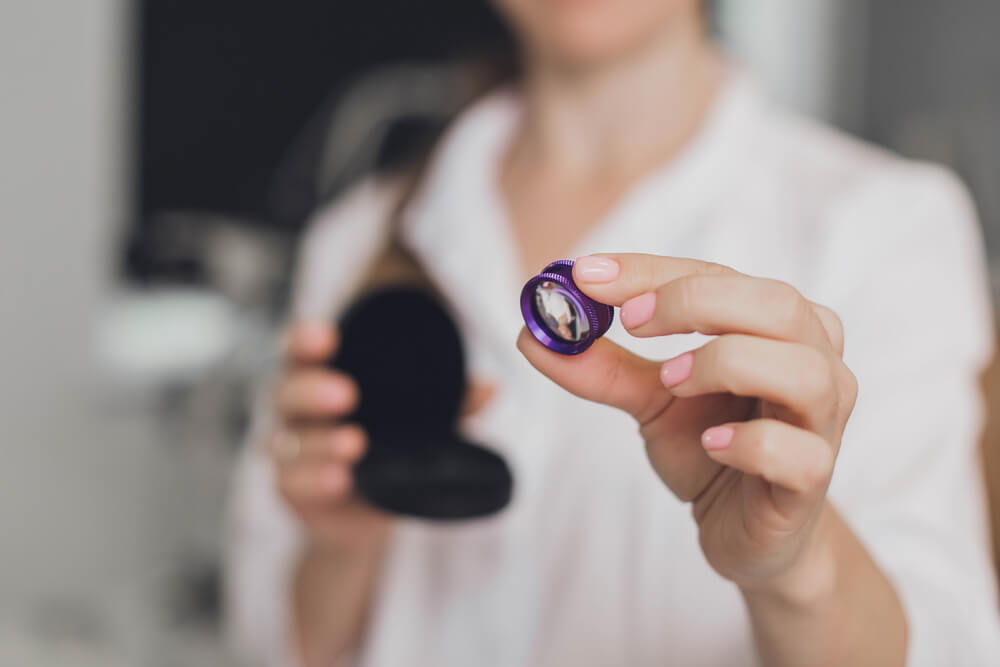
Selective laser trabeculoplasty (SLT) is a gentle, painless laser procedure that targets and improves the outflow of aqueous humor.
It can be used as an adjunct or — as new studies show — as a first-line treatment.
Especially for people who do not tolerate eye drops well or who have difficulty using them regularly, SLT can be an effective long-term alternative.
If eye drops and laser treatment are insufficient, or if the disease progresses, surgical interventions are used.
These include classic procedures such as trabeculectomy, modern minimally invasive glaucoma surgery (MIGS), and pressure-lowering implants.
The aim is always to permanently improve the outflow of aqueous humor and to reduce the pressure to a safe level.
Especially when lens opacity (cataract) is present, cataract surgery can also lower intraocular pressure—often permanently. Replacing the lens creates more space in the anterior chamber angle and improves pressure dynamics.
At Bányai Augenheilkunde, we carefully assess before every procedure whether such a dual benefit is possible.
Factors such as blood pressure, sleep behavior (e.g., in sleep apnea), stress, or diabetes also affect intraocular pressure and blood flow to the optic nerve.
That is why good interdisciplinary collaboration with primary care physicians or internists is important. Patients are also advised about lifestyle factors that can support their treatment.
Regular checks are crucial:
Even if the target level is initially reached, ongoing monitoring is still necessary. The optic nerve can change over time, so the target level may need to be adjusted.
At Bányai Augenheilkunde, we provide long-term care for patients — with state-of-the-art diagnostics and individually tailored therapy.
In addition to medical treatment, your own active participation is essential. These include:
A healthy lifestyle also helps: stable blood pressure, adequate sleep, avoiding nicotine, and proper hydration support blood flow to the optic nerve.
Many patients are concerned about whether glaucoma will soon be curable, especially since the condition has so far been regarded as incurable.
The reason is that damage to the optic nerve caused by elevated intraocular pressure or impaired blood flow is irreversible — the lost nerve tissue cannot regenerate.
Nevertheless, research is making significant progress. Particularly promising is a long-term study by the University of Toronto (2025), which tested a novel drug depot: a single injection beneath the lower eyelid produced a sustained reduction in intraocular pressure for several weeks – significantly longer than conventional eye drops.
New approaches to cell regeneration, gene and antibody therapies, and minimally invasive implants to lower pressure also show great potential.
Although glaucoma cannot currently be cured, modern procedures increasingly make it possible to halt or slow the disease’s progression and thus preserve vision in the long term. A cure is not yet a reality, but it is within reach.
Glaucoma that is detected early and treated properly does not have to lead to blindness. Modern ophthalmology offers many ways to protect the optic nerve and preserve quality of life.
At Bányai Augenheilkunde, we provide individualized care — with clear treatment goals, state-of-the-art diagnostics, and extensive experience in managing chronic eye diseases.
Schedule an appointment now to have your eye pressure checked – a crucial step for your vision.
Glaucoma causes irreversible damage to the optic nerve. Since nerve cells in the optic nerve do not regenerate, damage that has already occurred – such as visual field loss – cannot be reversed.
The aim of treatment, therefore, is to lower intraocular pressure and thus halt progression, not to reverse existing damage.
Yes – current research is focusing on regenerative approaches to restoring the optic nerve.
Early successes in animal models indicate that long-term repair of damaged nerve cells may be possible. However, a clinical cure is not yet available.
Regular ophthalmological examinations, consistent adherence to prescribed therapy, and a healthy lifestyle (e.g., blood pressure control and stress reduction) are crucial to stabilising the course of the condition. Early diagnosis remains the most important protective factor.
Hat Ihnen dieser Beitrag gefallen? Teilen Sie ihn mit anderen!