
Intraocular pressure (IOP) plays a central role in the development and progression of glaucoma. But what actually affects the pressure inside the eye?
In this article, we at Bányai Augenheilkunde examine current findings from ophthalmology (eye medicine) on how everyday habits—exercise, caffeine, sleep patterns, stress, and even screen time—affect intraocular pressure: scientifically grounded, practical, and with clear recommendations.
The pressure inside the eye – medically known as intraocular pressure (IOP) or tensio – is caused by the aqueous humor, which is produced in the eye and drained through fine outflow channels in the chamber angle. If this balance is disturbed, the pressure in the eye can increase.
Although increased intraocular pressure alone is not in itself a disease, it is one of the most important risk factors for the development of glaucoma. This involves chronic, progressive damage to the optic nerve.
The optic nerve is responsible for transmitting visual signals from the eye to the brain – if it is damaged, permanent visual field defects up to and including blindness can occur.
Not everyone with elevated intraocular pressure will necessarily develop glaucoma. Conversely, so-called normal-tension glaucoma can occur even when intraocular pressure is within the normal range.
Therefore, not only the measured intraocular pressure is decisive, but also the optic nerve’s individual pressure tolerance, the status of ocular blood flow, and additional risk factors such as age, genetic predisposition, or systemic diseases like diabetes.
Bányai Augenheilkunde places great emphasis on thorough diagnostics, assessing not only intraocular pressure but also the structure and function of the optic nerve and the individual risk profile.
This makes it possible to detect early whether any action is necessary – even when the measurements appear unremarkable.
Regular ophthalmological examinations and a comprehensive assessment of the optic nerve are therefore essential—especially in patients with known risk factors. When detected early, glaucoma can be treated effectively and its progression halted.
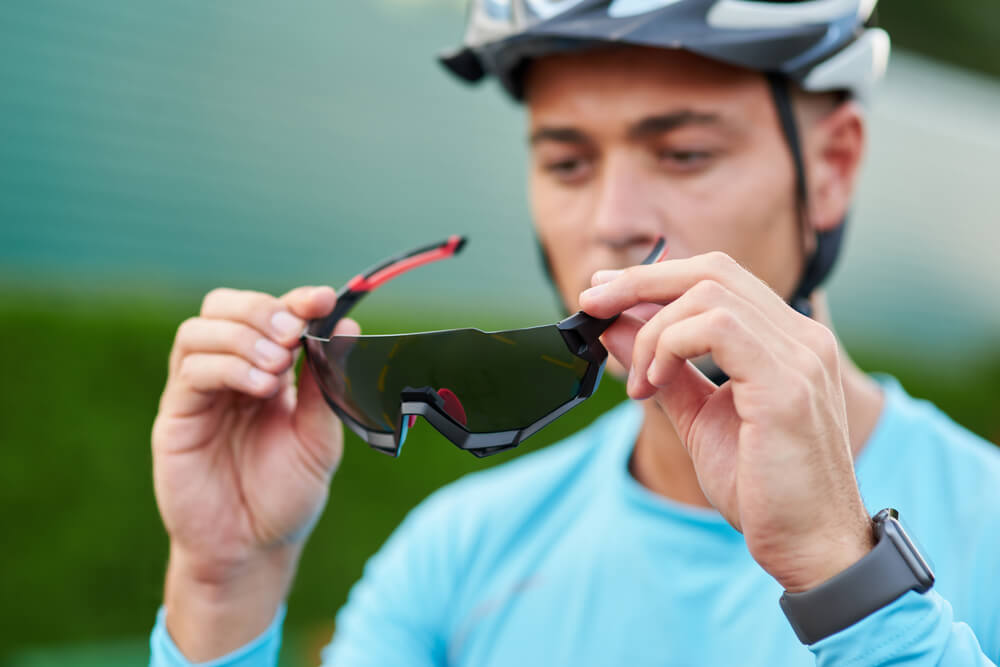
Exercise can have a positive effect on intraocular pressure, as various studies have shown. In particular, endurance activities such as brisk walking, jogging, cycling, or swimming lead to a short-term reduction in intraocular pressure in many people.
This effect appears to be especially stable when training regularly and the intensity remains moderate.
However, not all forms of physical activity are advisable, especially for people with preexisting glaucoma or elevated intraocular pressure.
During intense strength training—especially activities involving breath-holding (the Valsalva maneuver), such as weightlifting or vigorous machine-based workouts—there can be a temporary rise in intraocular pressure.
Certain yoga poses that involve being upside down (e.g., the headstand) or exercises that require prolonged breath-holding should also be approached with caution.
Bányai Augenheilkunde recommends an individual assessment: Which sport is appropriate? At what intensity should it be practiced? What risks are involved?
If in doubt, your training should be adjusted in close consultation with ophthalmologists and, if necessary, your family doctor. Exercise is fine — but it should be adapted and carefully considered.
Caffeine can cause a moderate, short-term increase in intraocular pressure in healthy individuals. The effect depends on individual factors such as metabolism, amount consumed, and genetic predisposition.
This effect may be more pronounced in people with elevated intraocular pressure or those diagnosed with glaucoma.
Studies show that people who consume large amounts of caffeinated beverages daily (e.g., more than three cups of coffee) may have an increased risk of pressure spikes.
Recommendation: Monitor your reaction to caffeine. If you already have glaucoma, discuss with your ophthalmologist what amount is safe for you.
Intraocular pressure fluctuates throughout the day — a fact well documented in ophthalmology (eye medicine).
For many people, intraocular pressure is highest at night and in the early morning hours.
This can be a particular challenge for people with glaucoma, as increases in pressure may go unnoticed overnight yet still gradually damage the optic nerve.
An additional contributing factor is sleeping position. Studies show that intraocular pressure is higher when lying down than when sitting.
Lying face down or on the side with direct pressure on the affected eye is particularly problematic — it can further impair local blood circulation and increase the pressure.
A simple but effective tip: sleep with your head slightly elevated — for example, using a wedge pillow or an adjustable slatted bed base. This can lower nighttime intraocular pressure and thus help control glaucoma.
Equally important is maintaining a healthy sleep pattern. Too little sleep, irregular bedtimes, or sleep disturbances can adversely affect intraocular pressure and the overall condition of the optic nerve.
Bányai Augenheilkunde recommends that glaucoma patients actively include sleep in their individual treatment strategy.
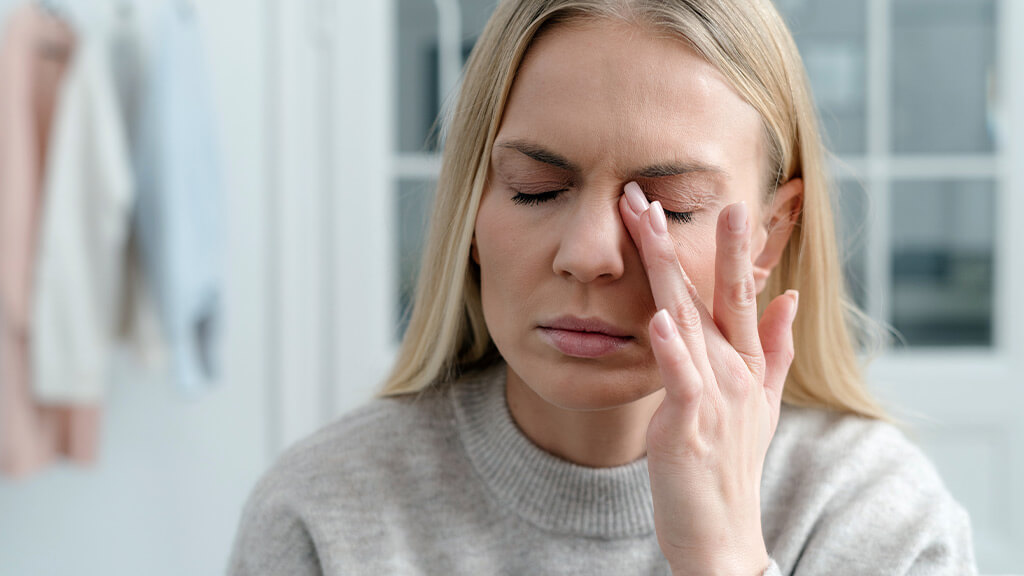
Stress is an omnipresent part of everyday life, affecting not only our well-being but also physiological processes such as intraocular pressure.
In ophthalmology, researchers are increasingly studying how acute and chronic psychological stressors affect intraocular pressure. The results show that stress can measurably increase intraocular pressure.
This increase is due in part to hormonal stress reactions, such as the increased release of cortisol and adrenaline. These substances constrict blood vessels and can impair the circulation of aqueous humor in the eye.
Especially in people with glaucoma or those prone to spikes in intraocular pressure, this can be an additional risk factor.
Chronic stress also weakens the autonomic nervous system and can reduce the optic nerve’s regenerative capacity.
Therefore, stress reduction is not only a general health consideration, but should also be part of individualized glaucoma therapy.
Proven measures for stress management include:
If you are experiencing psychological distress, it’s advisable to seek professional help. This also applies to emotional well-being: anyone suffering from persistent tension or exhaustion should seek support. Professional help can be a crucial step toward relief.
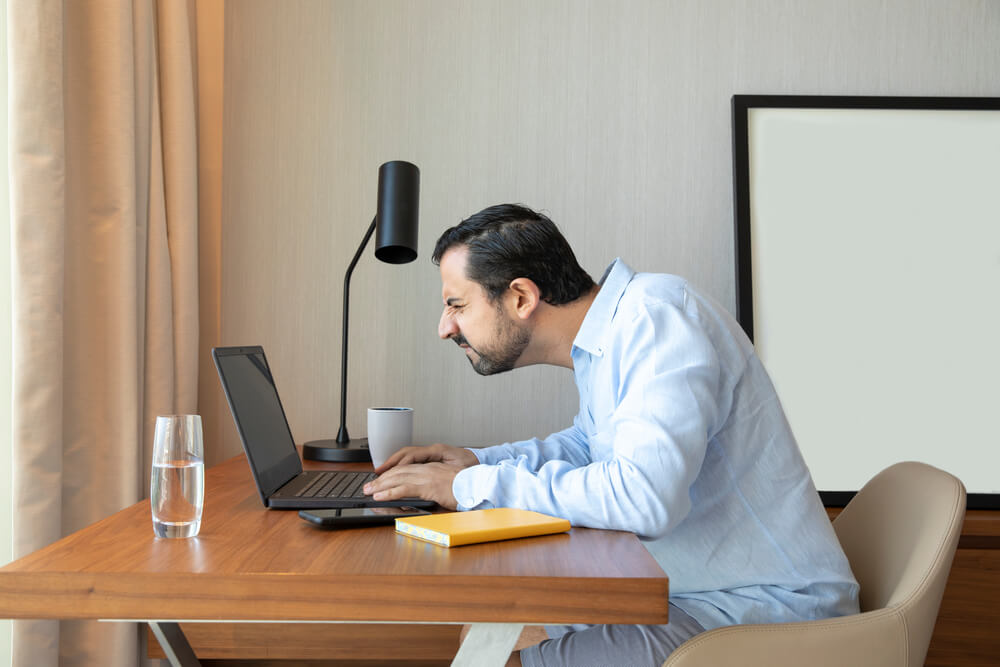
Prolonged screen use or extended close-up work (e.g., reading or handicrafts) does not directly affect intraocular pressure, but can cause muscle tension, dry eyes, and increased visual strain. People may subjectively perceive this as pressure or a feeling of “heaviness” in the eye.
Regular breaks, blinking exercises, adequate lighting, and the 20-20-20 rule (look at a point about 20 meters away for 20 seconds every 20 minutes) help reduce eye strain.
An acute glaucoma attack is an ophthalmic emergency that requires immediate treatment. The intraocular pressure rises dramatically within a very short time — usually due to a sudden closure of the anterior chamber angle.
Those affected report severe eye pain and headaches, nausea, red eyes, blurred vision, or the perception of coloured rings around light sources (halos). Without prompt treatment, a glaucoma attack can permanently damage the optic nerve within a few hours.
Important: Do not hesitate—seek emergency ophthalmologic care immediately if you experience such symptoms. If you have an existing glaucoma diagnosis, you should receive individualized information about possible risk factors and preventive strategies.
Intraocular pressure is influenced by many factors—some of which can be actively controlled. Regular exercise, monitoring caffeine intake, maintaining good sleep hygiene, reducing stress, and adopting eye-friendly work habits can make an important contribution to eye health.
If you have glaucoma or elevated intraocular pressure, these matters should always be discussed with your ophthalmologist.
As a specialized practice for ophthalmology (eye medicine), Bányai Augenheilkunde helps patients identify risks early and counter them in a targeted way with individualized recommendations and modern diagnostics.
Yes, endurance training in particular can have a positive effect on pressure. Caution is advised during strength training or yoga that involves forceful breath-holding or straining.
Not necessarily. Caffeine can temporarily increase intraocular pressure. Glaucoma patients should adjust their caffeine intake individually.
A supine position with the head slightly elevated is optimal. Lateral or prone positions can increase pressure in some people.
Yes, both acute and chronic stress can cause spikes in pressure. Relaxation techniques can help stabilize it.
Not directly, but it can cause strain and a subjective feeling of pressure. Balance and regular breaks are important.
Hat Ihnen dieser Beitrag gefallen? Teilen Sie ihn mit anderen!