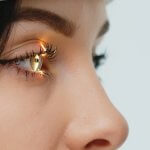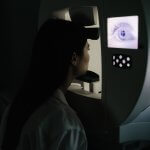

Elevated blood sugar levels affect not only the heart and circulatory system — the eyes are also at risk.
People with diabetes face a significantly increased risk of developing glaucoma, one of the most common eye diseases. Ophthalmologist Dr. med. Bányai explains why this is the case and why regular eye examinations are crucial in this post.
In diabetes mellitus – whether type 1 diabetes or type 2 diabetes – long-term changes occur in the small blood vessels throughout the body, including the eye.
These so-called microangiopathic lesions affect the retinal vessels (diabetic retinopathy) and can also impair the blood supply to the optic nerve — a central vulnerability in glaucoma.
In addition, a persistently elevated blood sugar level disrupts the eye’s aqueous humor balance.
The aqueous humor is crucial for intraocular pressure — and that, in turn, is the main risk factor for glaucoma. If production and drainage fall out of balance, the pressure rises and often goes unnoticed.
Inflammatory processes and oxidative stress reactions, which are exacerbated by poorly controlled blood sugar levels, also contribute to damage of the delicate nerve fibres of the optic nerve.
Moreover, many people with diabetes have other risk factors, such as high blood pressure, disorders of lipid metabolism, or impaired kidney function — all of which place additional strain on the blood vessels and their regulation.
Conclusion:
Diabetes adversely affects the eyes on several levels and makes regular eye examinations essential.
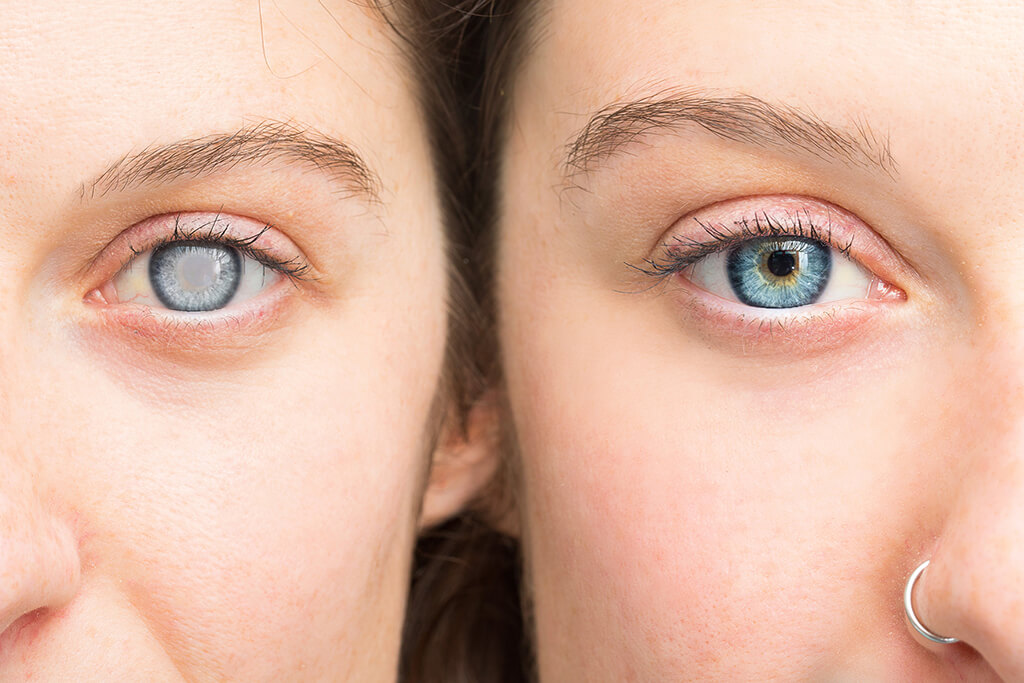
Many people expect eye diseases to present with pain or noticeable loss of vision.
But with glaucoma the insidious opposite is true: the disease usually progresses slowly over years, without pain or noticeable symptoms.
Typical glaucoma symptoms often appear only at an advanced stage — they include:
These changes are often not noticed until the optic nerve is already irreversibly damaged. By then, many treatment options are no longer effective.
This is another reason why glaucoma is one of the most common causes of blindness — although it would be readily treatable if diagnosed early.
Important:
Good blood sugar control alone does not reliably protect against glaucoma. Only a targeted ophthalmological examination can clarify this.
At Bányai Augenheilkunde, we emphasize a comprehensive preventive examination—especially for patients with diabetes mellitus.
These include, but are not limited to:
| Examination | Purpose |
| Intraocular pressure measurement | The most important early marker of elevated pressure |
| OCT (optical coherence tomography) | High-resolution analysis of the nerve fiber layer |
| Visual field testing (perimetry) | Functional testing for visual field defects |
| Slit-lamp examination | Assessment of the anterior chamber, lens, and optic nerve |
If glaucoma is detected early, numerous effective treatment options are available today: from modern eye drops and gentle laser treatments such as selective laser trabeculoplasty (SLT) to minimally invasive glaucoma surgeries or traditional procedures such as trabeculectomy.
If a cataract (lens clouding) is present, cataract surgery can significantly reduce intraocular pressure and improve vision. High-quality intraocular lenses — for example, multifocal lenses — can even enable glasses-free vision.
The right method depends on the type of glaucoma, the stage of the disease, and your personal needs, and is always planned individually at Bányai Augenheilkunde.
Especially in people with diabetes, cataract surgery can be doubly effective: it replaces the clouded lens and often lowers intraocular pressure more effectively than medication or laser treatment alone.
At Bányai Augenheilkunde, we offer individually tailored treatment options, such as intraocular lenses — including premium multifocal lenses that can provide spectacle independence and preserve your visual acuity as effectively as possible.

If you have diabetes mellitus — whether type 1 or type 2 — have your eyes checked regularly: at least once a year, and more often if you have additional risk factors. Don’t wait for symptoms; act early.
But even without diabetes, an ophthalmological examination is advisable — because lifestyle factors such as sleep, blood sugar levels, caffeine, and exercise can also affect intraocular pressure.
At Bányai Augenheilkunde, we work with you to develop a personalized preventive plan tailored to your individual needs, metabolic profile, and ocular risk.
Our goal: to preserve your vision and visual acuity for as long as possible – despite diabetes.
In addition to glaucoma, the most common diabetic eye diseases include:
For these eye conditions, close collaboration with diabetologists is particularly recommended to ensure the best possible care.
Yes. People with diabetes have an increased risk of developing glaucoma – particularly open-angle glaucoma. A persistently elevated blood sugar level can affect intraocular pressure and impair blood flow to the optic nerve.
Glaucoma often develops insidiously and can remain unnoticed for a long time. Possible signs include visual field loss, blurred vision, or eye discomfort. In the event of sudden severe pain, nausea and vision loss, medical attention should be sought immediately.
Regular eye examinations are essential – ideally once a year. Good blood sugar control, along with managing blood pressure and cholesterol, further reduces the risk.
The therapy is generally guided by the type and stage of glaucoma. In patients with diabetes, ophthalmologists pay particular attention to comorbidities such as diabetic retinal damage. Medications or surgery to lower intraocular pressure remain central components of treatment.
Because glaucoma can cause irreparable damage to the optic nerve – often before sufferers even notice any symptoms – early detection, especially in people with diabetes, is the key to preserving vision.
Hat Ihnen dieser Beitrag gefallen? Teilen Sie ihn mit anderen!