Glaucoma—also known as “green star”—is one of the most common causes of gradual vision loss. The primary goal of treatment is to lower intraocular pressure in order to protect the optic nerve in the long term.
In many cases, treatment begins with medication—specifically, so-called glaucoma eye drops. But what types of eye drops are available, how exactly do they work, what potential side effects might occur, and how can common mistakes in their use be avoided? That’s exactly what we’ll explain step by step in this article.
Glaucoma is a chronic condition in which the optic nerve—the connection between the eye and the brain—is slowly damaged. The main cause is usually elevated intraocular pressure, which puts strain on the nerve fibers over time.
If left untreated, this can lead to visual field defects and even blindness. Since the disease is usually painless and has no early symptoms, it is often not diagnosed until it is in an advanced stage.
That is exactly why eye drops are so important: they help lower intraocular pressure and thus protect the optic nerve from further damage. In many cases, this is the first and most important step after diagnosis.
Regular, consistent use is crucial to halting the progression of the disease—even if you haven’t yet noticed any limitations yourself.
The goal of drug therapy is to lower intraocular pressure enough to prevent further damage to the optic nerve.
Because glaucoma is a chronic condition, eye drop treatment is usually required on a long-term basis—often for years or even for the rest of a person’s life.
That is why it is especially important that the treatment be tailored to the individual and that the drops be well tolerated.
At Bányai Augenheilkunde, we take the time to work with you to find the right medication and closely monitor your treatment.
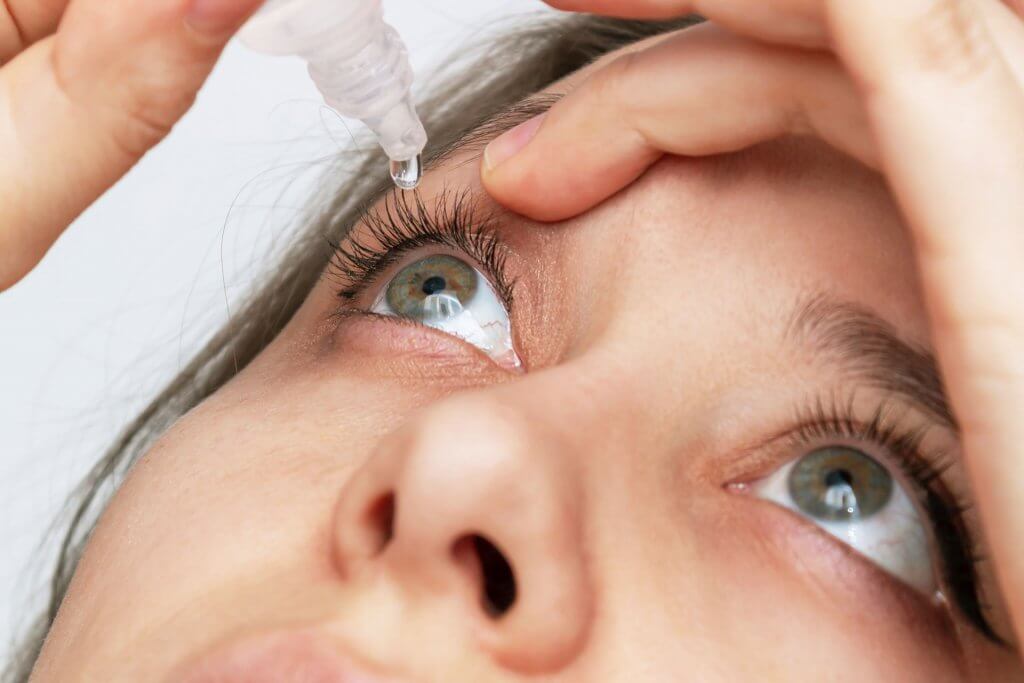
In the treatment of glaucoma, there are various classes of glaucoma eye drops that differ in their mechanism of action—for example, whether they reduce aqueous humor production or promote the outflow of aqueous humor.
Prostaglandin analogs (also known as prostaglandin derivatives) are currently considered the first-line treatment for common open-angle glaucoma. Examples include latanoprost, bimatoprost, and travoprost. These eye drops lower intraocular pressure by improving the outflow of aqueous humor—particularly via the uveoscleral pathway.
Typical local side effects: redness of the eyes, changes in eye color (e.g., iris pigmentation), eyelash growth, and possibly dry eyes.
Beta-blockers such as timolol or betaxolol work by reducing the production of aqueous humor.
Systemic side effects are possible—such as low blood pressure, changes in heart rate, and shortness of breath in patients with lung disease.
Alpha agonists (e.g., brimonidine, apraclonidine) combine a reduction in aqueous humor production with an improvement in outflow.
Possible side effects: allergic reactions, fatigue, dry mouth.
Carbonic anhydrase inhibitors such as dorzolamide or brinzolamide reduce aqueous humor production by inhibiting the enzyme carbonic anhydrase.
Possible side effects include poor tolerability (e.g., a burning sensation, a bitter taste in the mouth).
Miotics such as pilocarpine promote the outflow of aqueous humor by causing pupillary constriction (narrowing of the anterior chamber angle) and are used less frequently today.
Newer classes: Rho kinase inhibitors such as netarsudil —these lower intraocular pressure by improving aqueous humor outflow through the trabecular meshwork.
Combination therapies are often useful (e.g., beta-blockers + carbonic anhydrase inhibitors or prostaglandin analogs + Rho kinase) to reduce the burden of IV infusions and achieve greater blood pressure reduction.
Which eye drops are appropriate depends, among other things, on the type of glaucoma (e.g., normal-tension glaucoma), the initial condition (e.g., ocular hypertension), and any existing eye diseases.
Even glaucoma medications applied topically can cause systemic side effects.
Common local symptoms include redness of the eyes, a burning sensation or dry eyes, itching, and blurred vision.
However, certain active ingredients can also cause systemic effects—such as shortness of breath, fatigue, or changes in heart rate.
If drops are not effective enough or are not well tolerated, there are various alternatives available today.
These include, for example, selective laser trabeculoplasty (SLT), surgical procedures such as trabeculectomy, and, in particular, cataract surgery. The latter is not only indicated for cataracts but can also significantly lower intraocular pressure in glaucoma patients.
At Bányai Augenheilkunde, cataract surgery is therefore often a central component of glaucoma treatment, with the advantage that it can improve both vision and intraocular pressure control at the same time.
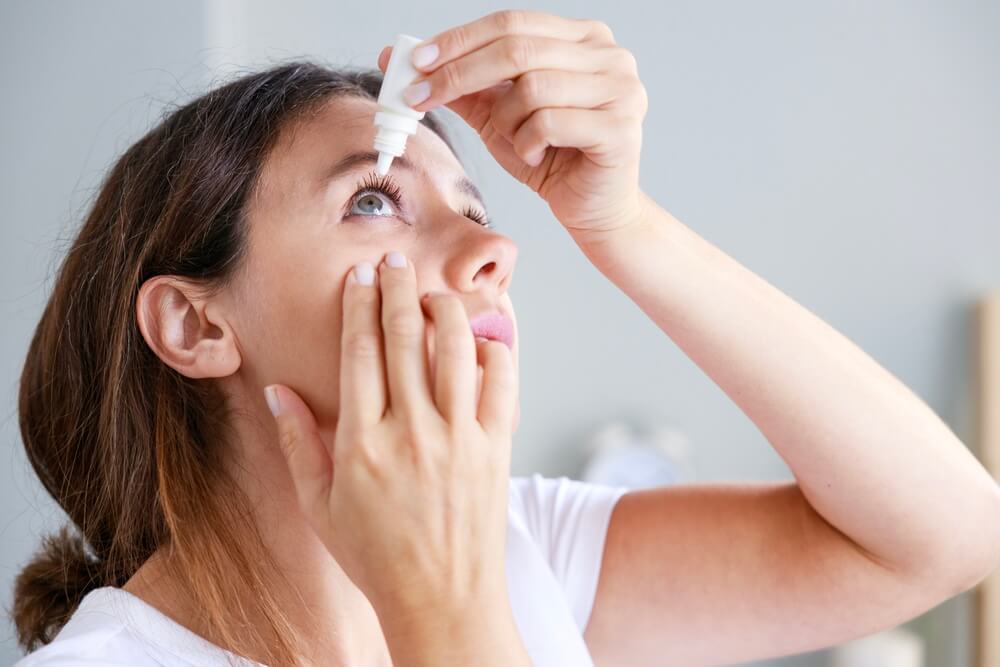
Eye drops are most effective only when used correctly. Many patients are unsure exactly how to use them or stop taking them on their own as soon as their symptoms subside.
Both can be problematic in the long run. Our recommendation:
At Bányai Augenheilkunde, we know that glaucoma treatment is not a one-size-fits-all approach—it is as individual as the people we treat.
Glaucoma treatment requires patience, precision, and personalized care.
That is why we not only evaluate your medication regimen with eye drops, but also advise you on all other options—such as selective laser trabeculoplasty (SLT) or cataract surgery, which have proven to be particularly effective in lowering intraocular pressure in many patients.
If you’re unsure which product is right for you or whether your current eye drops are working as well as they should, please schedule a consultation.
Together, we’ll find the best solution—to protect your vision and your quality of life.
No—suddenly stopping glaucomaeye drops can lead to a dangerous increase in intraocular pressure . If you experience any symptoms, be sure to contact your ophthalmologist’s office. Here at Bányai Augenheilkunde, we’ll work with you to determine whether a change in treatment or an alternative therapy is appropriate.
In many cases, yes—that glaucoma is a chronic condition. The goal of eye drop therapy is to lower the intraocular pressure on a long-term basis. Under certain circumstances—such as after successful cataract surgery—the number of eye drops may be significantly reduced or eliminated altogether.
That depends on the individual case. Eye drops are usually the first choice. If they are not effective enough or are poorly tolerated, modern laser therapies or surgical procedures are options—most notably cataract surgery, which also helps many patients with intraocular pressure in many patients.
Hat Ihnen dieser Beitrag gefallen? Teilen Sie ihn mit anderen!