Many people with glaucoma need to use eye drops for the rest of their lives to control their intraocular pressure. However, not all eye drops are the same: some contain preservatives, whilst others do not. This can make a big difference, particularly with long-term use.
In this article, as an ophthalmologist, I’ll explain when preservative-free drops are advisable, who they’re particularly beneficial for, and what you should look out for when choosing them.
Preservatives serve to keep the drops sterile – particularly in multi-dose containers. They prevent the growth of bacteria once the bottle has been opened.
The best-known active ingredient is benzalkonium chloride (BAK), which is found in many conventional glaucoma eye drops.
Problems arise when these substances come into contact with the sensitive surface of the eye over a prolonged period.
Studies show that preservatives impair the stability of the tear film, irritate the cornea and can even lead to inflammation of the conjunctiva.
They are particularly suitable for people whose eyes are especially sensitive to additives or who require long-term treatment.
Many patients react to preservatives with redness, a burning sensation or a feeling of a foreign body in the eye.
Particularly in cases of dry eyes, allergies or pre-existing irritation, switching to preservative-free preparations can significantly improve quality of life.
Anyone who has been using eye drops for years – often several times a day – should take care to minimise the strain on the surface of the eye as much as possible.
Preservative-free eye drops reduce the risk of chronic irritation, particularly in cases of concurrent dry eye syndrome or advanced glaucoma.
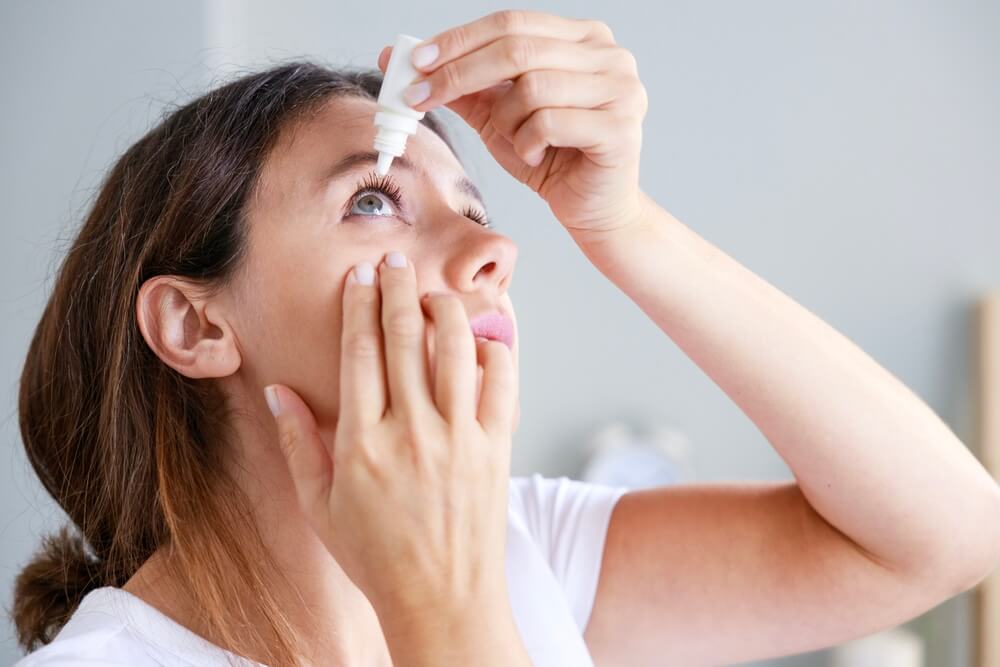
Following eye surgery, such as glaucoma surgery or cataract surgery, the eye is particularly sensitive.
In such cases, preservative-free preparations can support the healing process and help prevent complications.
Bányai Augenheilkunde consistently relies on these gentle formulations during the post-operative phase.
In modern treatment regimens, preservative-free eye drops are increasingly being used as first-line treatment.
Bányai Augenheilkunde supports patients in finding the right product for their individual needs – including in relation to combination therapies.
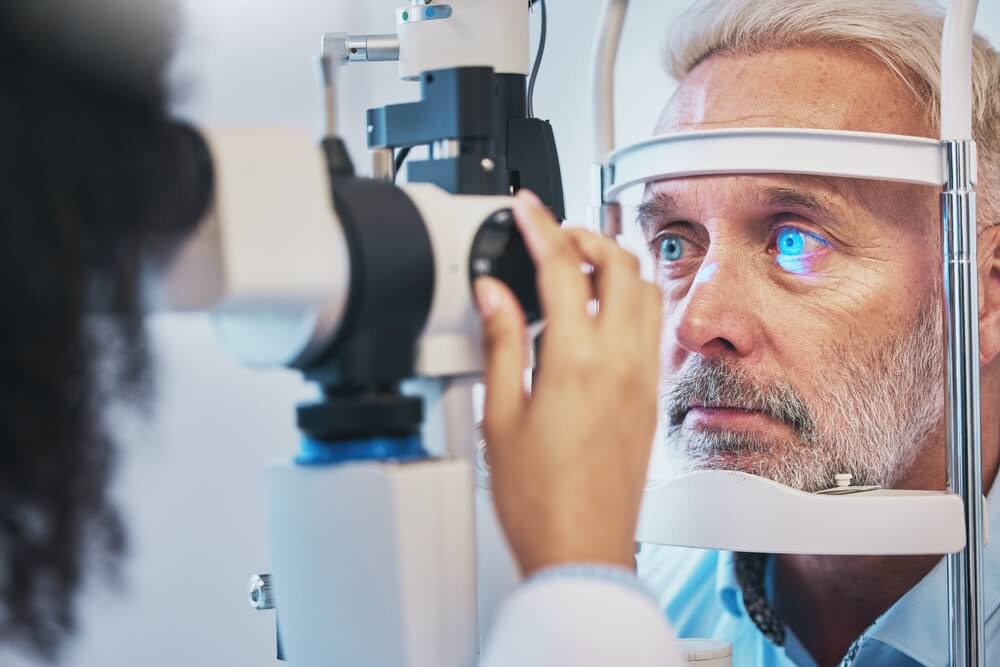
Not all patients cope well with eye drops, whether due to intolerance, difficulties in using them or a lack of effectiveness.
In such cases, there are alternatives: laser treatments such as selective laser trabeculoplasty (SLT) can help regulate intraocular pressure without the need for eye drops.
Surgical procedures, particularly in cases of advanced glaucoma, following glaucoma surgery or as part of cataract surgery, also offer effective options.
Bányai Augenheilkunde will advise you individually on which method is suitable for your situation.
Preservative-free eye drops are often available in single-dose containers, which can make them slightly more fiddly to use.
They are also more expensive to manufacture, which affects the price. Some health insurance providers only cover the costs to a limited extent – it is advisable to discuss this with your treating ophthalmologist.
Preservative-free eye drops are particularly beneficial for patients with a sensitive ocular surface, for long-term use, following surgical procedures, or when typical glaucoma symptoms such as a burning sensation in the eyes, a feeling of pressure or deteriorating vision occur.
They are well tolerated and support safe, long-term glaucoma treatment. Get personalised advice – Bányai Augenheilkunde will help you find the right product.
Yes, they contain the same active ingredient, but without any irritating additives.
Not necessarily – there are now also multi-dose containers with special filter systems.
In some cases – it depends on the product and whether it is medically necessary.
No – you should always discuss any change with your ophthalmologist.
Yes – particularly for those with sensitive conjunctiva or for long-term use.
Hat Ihnen dieser Beitrag gefallen? Teilen Sie ihn mit anderen!