Cataract is a common eye condition that mainly affects older adults. Its symptoms can develop gradually and worsen over time. Affected individuals often report blurred vision, increased sensitivity to glare, and altered colour perception.
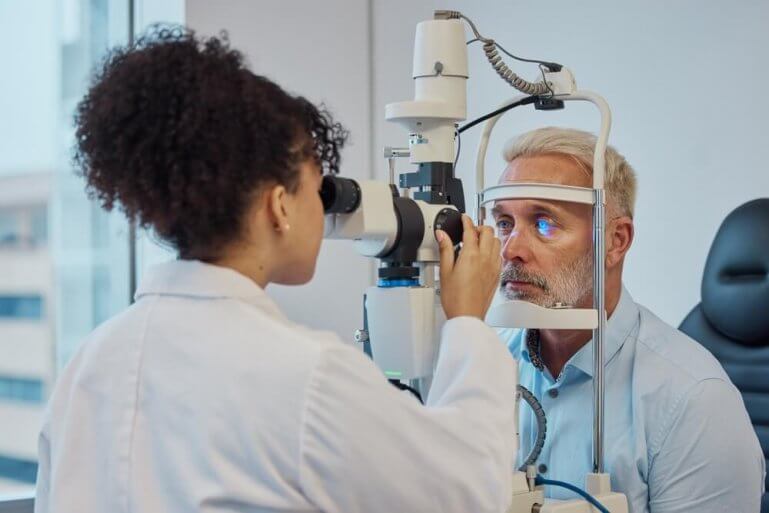
To make an accurate diagnosis, a cataract test performed by an experienced ophthalmologist is required. There is no reliable online cataract test for home use. However, if you are familiar with the symptoms and signs of cataracts, you can make an initial assessment yourself as to whether you may have a cataract.
Have you already been diagnosed with cataracts? Or do you think you may have cataracts? Then you’ll find the online cataract surgical aptitude test on our site. It indicates whether cataract surgery can be performed on you.
We offer an online cataract surgery suitability test. The test is a first step in determining whether surgery is appropriate for treating cataracts. You can complete the test quickly and easily at home.
The cataract surgery suitability test includes various questions about your vision and any pre-existing conditions. You will also be asked whether you have already been diagnosed with cataracts or believe you may have them.
After the cataract suitability test, you will be informed whether you may have a cataract and whether you are a candidate for cataract surgery. The next step is to visit our practice; only in person can an accurate diagnosis be made and preparations for cataract treatment be carried out.
Cataract is an eye condition in which the eye’s natural lens becomes cloudy. As a result, vision gradually deteriorates. Cataract surgery is the most effective way to remove the cloudiness and restore vision. After surgery, vision can be significantly improved.
Cataracts develop due to age-related changes in the eye’s lens that cause it to become cloudy. Other factors also increase the risk of developing cataracts, including smoking, diabetes, a genetic predisposition, and long-term UV exposure.
Cataract surgery is the only effective treatment to remove the clouded lens and replace it with a clear artificial lens. The cataract test is used to assess vision and determine the severity of the cataract.
The symptoms of cataracts develop gradually and may affect each eye differently. Typical signs include blurred vision, changes in colour perception, increased sensitivity to glare, and poor night vision. In advanced stages, cataracts can significantly impair vision.
An accurate diagnosis is established by an experienced ophthalmologist who performs a thorough examination of the eye. This includes vision tests, an examination of the eye’s lens, and assessment of other eye structures. The diagnosis of a cataract is crucial for planning appropriate treatment, such as cataract surgery.
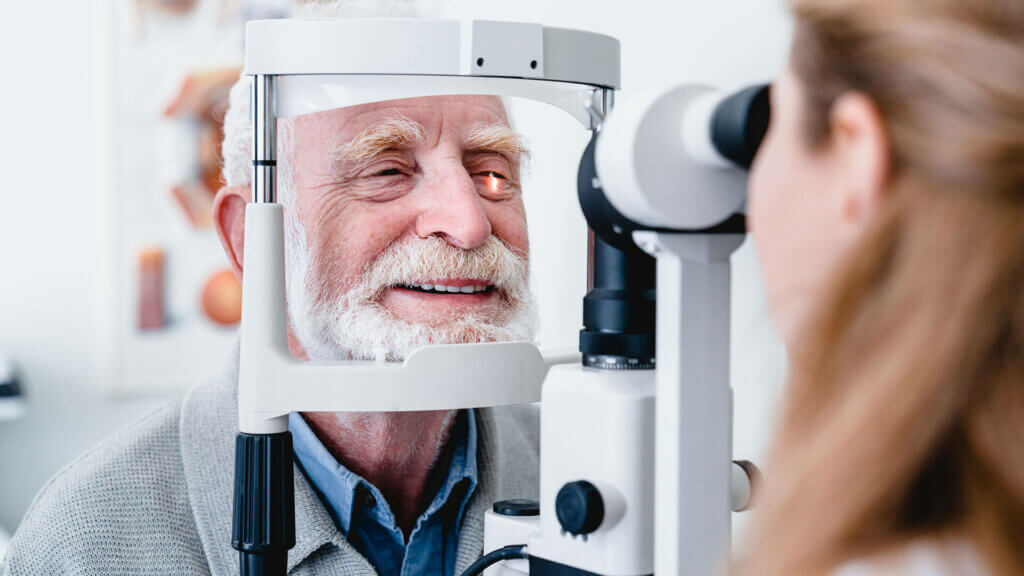
The cataract examination begins with a medical history interview, during which the ophthalmologist asks about your symptoms and medical history. Various eye and vision tests are then performed.
Cataract tests include several examinations to assess vision. These primarily include a visual acuity test to assess how well you can recognize letters or numbers of various sizes. In some cases, for example, a contrast sensitivity test — which evaluates the eye’s ability to detect subtle differences in brightness — may be performed. These tests can be carried out during an annual cataract screening — particularly if cataract surgery is being considered.
Before the cataract test, you should inform your doctor about all medications you are taking, especially blood-thinning medications. It is also important to mention any allergies or pre-existing conditions. Trained staff will advise you whether you should wear your glasses or contact lenses during the tests.
The cataract treatment aims to remove the clouded natural lens of the eye and replace it with a clear artificial lens. The only way to treat cataracts is cataract surgery, also known as a cataract operation.
In this minimally invasive procedure, the cloudy lens is replaced with an artificial intraocular lens. The safest and most gentle method is laser surgery. At Bányai Augenheilkunde, the innovative LENSAR laser is used, making the necessary precise cuts within seconds so the old lens can be removed and the new one inserted. The entire procedure takes between 15 and 20 minutes.
Before the operation, however, the patient’s suitability for the procedure is assessed. Not every cataract requires immediate surgery, especially if the visual impairment is not yet significant. The ophthalmologist will conduct a thorough examination and discuss the best treatment option with the patient.
Hat Ihnen dieser Beitrag gefallen? Teilen Sie ihn mit anderen!