

6 minutes read
Glaucoma can narrow the visual field and thus affect driving safety. In Germany, there are specific minimum vision requirements that should be checked regularly—including visual acuity, visual field, and intraocular pressure.

5 minutes read
Glaucoma often goes unnoticed—even with well-managed treatment, the optic nerve can continue to be damaged without you realizing it. Regular checkups are therefore essential for detecting changes early and adjusting treatment as needed.
At Bányai Augenheilkunde, we provide you with long-term support through a clearly structured, personalized follow-up care program. This allows you to keep track of your condition, gain peace of mind—and protect your vision for the long term.
5 minutes read
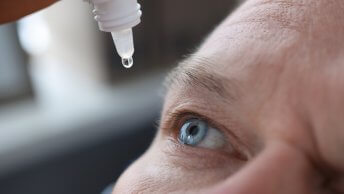
Glaucoma often leads to gradual vision loss. The most important treatment is to lower intraocular pressure with glaucoma eye drops in order to protect the optic nerve. Eye drop therapy is usually necessary on a long-term basis and should be used regularly and correctly.
4 minutes read
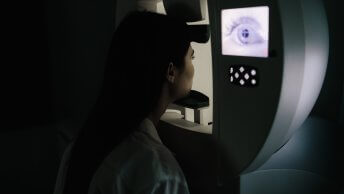
Two examinations are particularly important for the early detection and monitoring of glaucoma: OCT, which detects subtle changes in the optic nerve, and perimetry, which shows how well you actually see. Both provide different but crucial information.
In the article, Doctor-medic Liliana-Iulia Bányai clearly explains how OCT and perimetry differ – and why only combining both tests provides a complete picture of your glaucoma.

4 minutes read
Elevated blood glucose not only damages the heart and blood vessels — the eyes are also particularly at risk. People with diabetes are far more likely to develop glaucoma, often without noticing it. The causes range from damage to retinal blood vessels to disruptions in the aqueous humor balance that raise intraocular pressure.
In the article, Dr. med. Bányai explains why diabetes increases glaucoma risk on multiple levels, which warning signs are frequently overlooked, and why regular check-ups are crucial to protect your vision in the long term.
8 minutes read
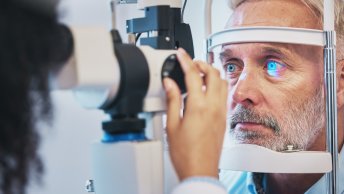
The terms ‘glaucoma’ and ‘cataract’ sound similar – yet these diagnoses refer to two completely different eye conditions. As an ophthalmologist at Bányai Augenheilkunde, with many years’ experience, I would like to use this article to explain clearly what distinguishes the two, so that you can better understand the symptoms, causes and treatment options. Both […]

5 minutes read
Following a diagnosis of glaucoma, financial questions often arise immediately: Which examinations are covered by statutory health insurance? Where do additional costs arise – and when are they worthwhile? In this article, we provide you with a clear overview of typical services, possible self-pay examinations and important tips, so that you can make well-informed decisions both medically and financially.
3 minutes read
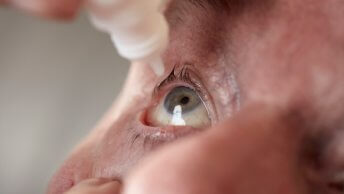
Many people with glaucoma need to use eye drops for the rest of their lives to control their intraocular pressure. However, not all eye drops are the same: some contain preservatives, whilst others do not. This can make a significant difference, particularly with long-term use.

4 minutes read
Breathing pauses during sleep and a chronic eye disease — how are they connected? More than most people think. Studies show that people with sleep apnea have a significantly increased risk of glaucoma, even when intraocular pressure is normal. Oxygen deprivation, pressure fluctuations, and impaired blood flow to the optic nerve play a decisive role.
This article explains why people with sleep apnea should pay special attention to their eyes — and how early diagnosis can help prevent permanent damage.
5 minutes read
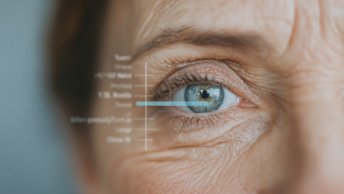
Normal-pressure glaucoma — when intraocular pressure is normal but damage still occurs
Many patients ask: How can glaucoma develop when the pressure inside the eye isn’t elevated? That’s exactly what makes normal-pressure glaucoma so insidious. Although measurements fall within the normal range, the optic nerve is damaged — often for a long time without noticeable symptoms.
In this article you’ll learn why circulatory disturbances, individual sensitivity to pressure, and certain risk factors play an important role, and what to watch for to detect normal-pressure glaucoma early and to prevent it effectively.


